Source Automatic Chicken Feather Plucking Machine for Poultry Processing
Find and compare 30 automatic chicken feather plucking machine options from Chinese manufacturers. These electric poultry defeathering units feature stainless steel construction and semi-automatic to automatic operation modes for efficient goose, duck, and chicken processing.
Key considerations
Products List






Comprehensive Sourcing Guide
Automatic Chicken Feather Plucking Machine Sourcing Guide
Sourcing an automatic chicken feather plucking machine requires a careful balance between operational efficiency and capital expenditure, particularly for poultry processors looking to scale their defeathering capabilities. These machines are designed to automate the labor-intensive process of removing feathers from poultry carcasses, significantly reducing processing time and minimizing physical strain on workers. The core keyword for this category is "automatic chicken feather plucking machine," which encompasses a range of equipment from semi-automatic units suitable for small-scale operations to fully automatic systems designed for high-volume industrial lines. Buyers must navigate a market where specifications vary widely, making it essential to understand the underlying technology and operational requirements before committing to a purchase.
The procurement landscape for these machines is characterized by a diverse array of suppliers, primarily concentrated in manufacturing hubs such as Tianjin and Zhengzhou in China. Listings indicate a broad price range, reflecting differences in automation levels, material quality, and production capacity. While some units are marketed as semi-automatic, others are described as fully automatic, each offering distinct advantages in terms of throughput and labor reduction. Understanding these distinctions is critical for aligning the equipment with your specific production volume and workforce constraints. This guide provides a structured approach to evaluating these machines, ensuring that buyers can make informed decisions based on verified technical and commercial data.
Product Scope and Observed Listing Signals
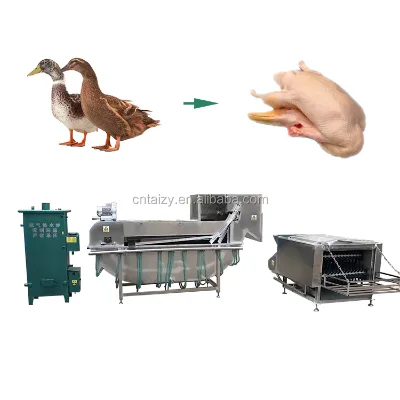
The product scope for automatic chicken feather plucking machines is primarily defined by the types of poultry they are designed to handle. Observed listings frequently specify applications for chicken, duck, and goose, indicating that many units are versatile enough to process multiple bird species. This versatility is a significant advantage for processors who handle mixed flocks or seasonal variations in supply. The machines are generally categorized by their automation level, with options ranging from semi-automatic to fully automatic systems. Fully automatic models often highlight features such as easy operation and high efficiency, appealing to buyers seeking to minimize manual intervention and maximize throughput.
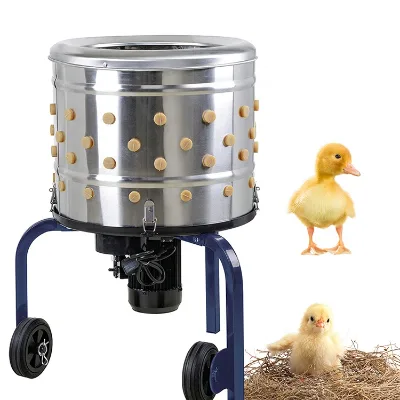
Observed listing signals also reveal variations in physical specifications and packaging. Dimensions such as 27x27x47 cm and larger configurations like 570x570x880 mm suggest a wide range of machine sizes, from compact units for small businesses to large industrial machines. Packaging methods vary, with options including seaworthy packages, wooden shelves, and ply wooden cases, which are crucial for protecting the equipment during international shipping. The material composition is consistently noted as stainless steel, a critical factor for hygiene and durability in food processing environments. Buyers should pay close attention to these physical attributes to ensure the machine fits their facility layout and meets their hygiene standards.
Technical Specifications to Verify
When evaluating technical specifications, the power source and motor quality are paramount. Most observed listings indicate that these machines operate on electric power, with specific voltage requirements such as 220V. The motor is a core component, with some suppliers specifying pure copper motors, which are generally preferred for their efficiency and longevity. Buyers should verify the motor's power rating and rotational speed, as these factors directly impact the machine's ability to pluck feathers effectively without damaging the carcass. For instance, some listings mention a rotate speed of 280r/min, which is a key performance indicator for plucking efficiency.
Another critical specification is the machine's model and standard dimensions. Models such as SX, MS, and SL-50 are observed in the market, each potentially corresponding to different capacities or features. Dimensional standards like 65x68x95 cm provide a baseline for space planning, but buyers must confirm the exact footprint of the unit they intend to purchase. Additionally, the weight of the machine, with some listings noting a weight of 500 kg, is important for determining floor load requirements and installation needs. Verifying these technical details ensures that the machine will integrate seamlessly into your existing production line and meet your operational demands.
Compliance and Safety Documentation
Compliance and safety are non-negotiable aspects of sourcing food processing equipment. While some listings mention ISO9001 certification, buyers must verify the scope and validity of these certifications, as they may apply to the manufacturer's quality management system rather than the specific product. The presence of CE certification is noted in background data, but its applicability to the specific machine model should be confirmed with the supplier. Ensuring that the equipment meets relevant electrical and mechanical safety standards is essential to protect operators and maintain regulatory compliance in your jurisdiction.
Documentation such as machinery test reports and warranty terms are also critical components of the compliance package. Some suppliers provide machinery test reports, which can offer insights into the machine's performance and reliability. A warranty period, such as the one-year warranty observed in some listings, provides a safety net against early failures. Buyers should also inquire about the availability of video technical support, which can be invaluable for troubleshooting and maintenance. These documents not only ensure compliance but also provide peace of mind regarding the long-term viability of the investment.
Cost Drivers and Commercial Terms
The cost of an automatic chicken feather plucking machine is influenced by several factors, including automation level, material quality, and production capacity. Fully automatic machines with advanced features and higher throughput capabilities typically command a higher price than semi-automatic units. The use of stainless steel and pure copper motors also contributes to the overall cost, reflecting the durability and performance benefits of these materials. Buyers should consider the total cost of ownership, including energy consumption and maintenance requirements, rather than just the initial purchase price.
Commercial terms such as minimum order quantity (MOQ) and packaging details are also important considerations. Observed MOQ ranges from 1 to 5 units, indicating flexibility for small buyers as well as larger procurement contracts. Packaging methods, such as seaworthy packages or wooden cases, can impact shipping costs and insurance premiums. Buyers should negotiate clear terms regarding delivery, installation, and after-sales service to avoid unexpected expenses. Understanding these commercial dynamics allows for more accurate budgeting and financial planning for the procurement project.
Supplier Qualification and Quality Control
Supplier qualification is a critical step in ensuring the reliability of the equipment. Buyers should verify the supplier's manufacturing capabilities, quality control processes, and track record in the poultry processing industry. Suppliers located in established manufacturing hubs like Tianjin and Zhengzhou may have access to better supply chains and skilled labor, but this should be confirmed through due diligence. Requesting references or case studies from other clients can provide valuable insights into the supplier's performance and customer satisfaction levels.
Quality control measures should be integrated into the procurement process to ensure that the machine meets the specified standards. Buyers should request detailed specifications and performance data before placing an order. Inspecting the machine upon delivery, or hiring a third-party inspection service, can help identify any defects or discrepancies. Additionally, verifying the availability of spare parts and technical support is essential for maintaining the machine's operational efficiency over time. A robust quality control strategy minimizes the risk of costly downtime and ensures that the investment delivers the expected return.
Long-Term Procurement Checks
Long-term procurement checks focus on the sustainability and scalability of the equipment investment. Buyers should consider the machine's compatibility with future production expansions or changes in processing requirements. Modular designs or adaptable features can provide flexibility as business needs evolve. Additionally, monitoring the supplier's product development roadmap can help identify opportunities for upgrades or replacements that align with technological advancements in the industry.
Regular maintenance and performance monitoring are also key to long-term success. Establishing a preventive maintenance schedule based on the manufacturer's recommendations can extend the machine's lifespan and reduce the risk of unexpected failures. Tracking performance metrics such as plucking efficiency and carcass damage rates can help identify areas for improvement. By proactively managing these aspects, buyers can ensure that their automatic chicken feather plucking machine continues to deliver value and support their operational goals over the long term.
FAQs
What automation levels are available for poultry plucking machines?
Both semi-automatic and fully automatic models are available for poultry defeathering. Semi-automatic units offer easy operation with pure copper motors, while fully automatic versions provide high efficiency and low cost. These machines are designed for chicken, duck, and goose processing, ensuring reliable performance for various poultry types.
Can the machine be customized for specific production needs?
Yes, customization is available for these poultry plucking machines. Buyers can request specific dimensions, such as 570*570*880mm or 630*630*910mm, to fit their facility layout. The standard is customizable, allowing for tailored solutions that meet unique operational requirements while maintaining the core functionality of feather plucking.
What materials are used in the construction of these pluckers?
The machines are constructed from stainless steel to ensure durability and hygiene during poultry processing. This material choice supports easy cleaning and resistance to corrosion. The core components include a pure copper motor, which contributes to the machine's efficiency and longevity in demanding industrial environments.
What certifications do these poultry machines typically hold?
Many of these machines hold ISO9001 certification, indicating adherence to quality management standards. This certification applies to the condition of the new equipment. Buyers should verify specific certification details with suppliers, as compliance ensures the manufacturing process meets international quality benchmarks for industrial food processing equipment.
How is the machine packed for international shipping?
The machines are packed in seaworthy packages to ensure safe transit. Common packing methods include wooden shelves, ply wooden cases, or convenient packs. This robust packaging protects the stainless steel equipment and motor components from damage during long-distance shipping from origins like Tianjin or Zhengzhou, China.
What after-sales support is provided for these machines?
Video technical support is provided to assist with installation and operation. This service helps buyers troubleshoot issues remotely without requiring immediate on-site visits. The support ensures that users can maintain the machine's performance, particularly for complex functions like feather plucking in chicken, duck, or goose processing lines.